
Quiet Luxury Starts With What You Touch
Today we explore selecting timeless, high‑quality materials for understated interiors, celebrating choices that feel effortless, endure daily life, and age with dignity. Expect hands-on guidance, lived-in anecdotes, and practical checklists that prioritize texture, proportion, repairability, and calm. Share your material dilemmas in the comments and subscribe to keep receiving grounded, design-forward insights that help you edit, refine, and hold a confidently restrained point of view.
Defining Timelessness Beyond Trends
Timelessness is less about style labels and more about integrity: honest materials, balanced proportions, tactile comfort, and surfaces that welcome patina instead of fighting it. Think of pieces that can be repaired, not discarded. In client homes, these choices consistently quiet visual noise, reduce decision fatigue, and free attention for what truly matters—light, space, and everyday rituals that anchor well-being.




Veining That Calms Rather Than Competes
Look for veins that read as watercolor, not lightning. Large islands can host bolder slabs if surrounding planes stay quiet, while small kitchens benefit from tighter, gentler movement. Bring cabinet samples and flooring to the slab yard, step back ten feet, and photograph in natural light. You want rhythm, not drama, and cohesion, not spectacle.
Finishes That Soften Light
Honed or leathered finishes diffuse glare, hide micro-scratches, and feel velvety under palm. Polished stone can sparkle but often amplifies reflections and fingerprints in restrained spaces. Test water drops and oil to see absorption and darkening. If you love the stone only when sealed, it may be too high-maintenance for daily rituals without constant vigilance and fuss.
Species, Cut, And Grain Direction

Oak’s medullary rays sing in quarter-sawn boards, walnut brings chocolaty calm, and ash creates pale clarity. Grain direction influences movement; rift-sawn rails resist cupping. Inspect boards for balanced figure, aligned color, and thoughtful layout. A dining table with consistent grain at seams reads serene, while mismatched boards introduce unhelpful chatter in quiet rooms.
Finish Choices That Breathe
Oil and hardwax finishes prioritize tactility, repairability, and matte light. They show life but mend easily. Lacquer provides crisp armor yet can feel sealed and louder. For restrained environments, consider oils you can spot-refresh, teaching yourself a yearly ritual with pads and cloths. The reward is warmth you literally maintain with your own hands.
Construction Details That Predict Longevity

Look for mortise-and-tenon joints, dovetailed drawers, and solid back panels. Underside inspection tells stories: clean joinery, consistent finish, and leg levelers signal care. If a chair flexes like a paperclip, pass. Heirloom pieces feel planted, distribute weight gracefully, and invite future reupholstery instead of landfill inevitability after a few seasons of normal use.
Textiles That Whisper Comfort
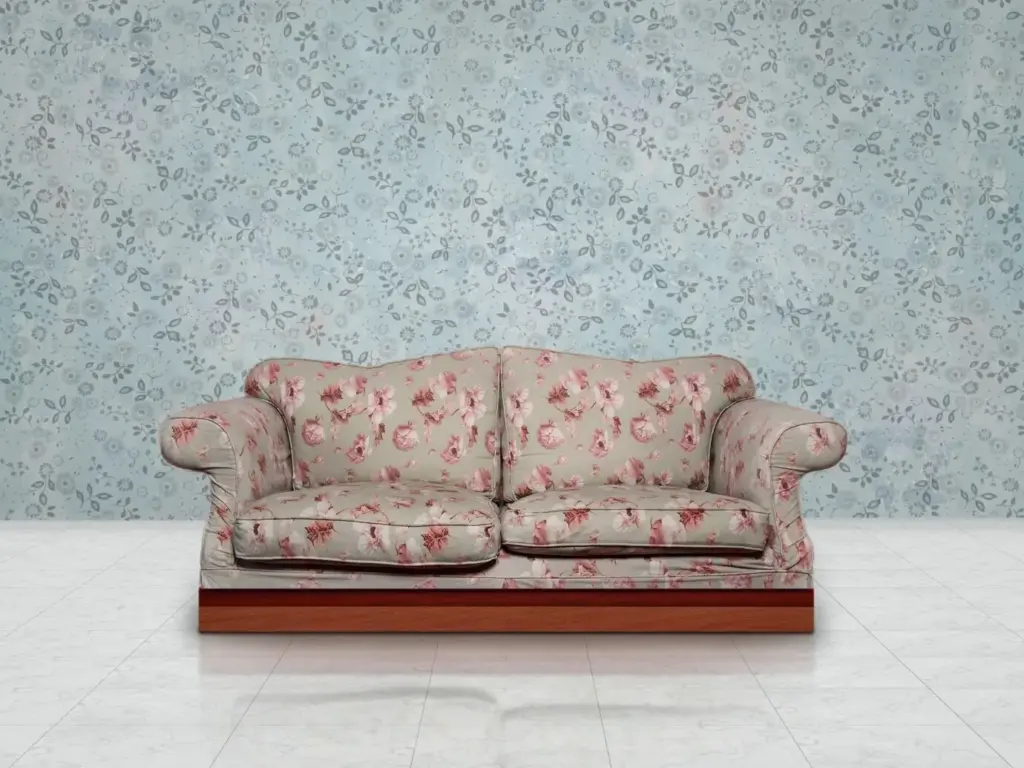
Linen, wool, cotton, mohair, and bouclé guide sound, light, and touch. Choose natural fibers for breathability and nuanced hues. Evaluate Martindale or Wyzenbeek ratings for abrasion, favoring performance where kids and pets live, and indulgent textures where reading happens. Subtle weaves layer beautifully, supporting quiet palettes without starving rooms of depth or humane softness.
Metals With Subtle Gravity
You will feel the truth when you lift a handle: solid brass is dense and cool, while thin plating feels hollow. Threads engage more cleanly, screws bite confidently, and future refinishing remains possible. Choose fewer, better pieces and repeat finishes across rooms to create a continuous, understated narrative instead of a noisy catalog of mismatched accents.
Unlacquered brass darkens gracefully, bronze can read earthy, and stainless holds steady in humidity. Blackened steel invites drama yet still supports restraint when kept matte. Expect fingerprints and embrace gentle wiping as part of daily rhythm. The interplay between metal and adjacent materials—linen, stone, wood—creates a layered quiet that rewards both sight and touch.
Oversized pulls can overwhelm calm cabinetry, while tiny knobs frustrate hands. Mock up with painter’s tape to test spacing and reach. Stand, sit, and move as you would cooking or reading. The right choice disappears into comfort, guiding movement intuitively and echoing the home’s broader language of measured, humane restraint and long-term physical ease.
Composing A Quiet Material Palette
Tonal Layering Across Rooms
Carry wood species or metal finish from space to space, adjusting intensity rather than changing families. Warm oak floors pair with cooler limestone and creamy linen, creating a continuum. Let bathrooms echo kitchen metals for cohesion. This choreography calms transitions, helping the home read as one considered experience instead of disconnected, attention-seeking moments.
Editing To Avoid Noise
If two materials compete for the same spotlight, demote one or remove it. Ask which surface earns the largest gesture—countertop, floor, or wall. Then quiet everything else in support. Editing is generosity: it returns air to a room, clarifies intention, and keeps your investment focused on tactile quality that welcomes daily, unhurried living.
Testing Under Real Light
Artificial showrooms deceive. Tape big samples on-site, watch morning coolness and evening warmth, and observe how sheen reacts to neighbors. Photograph over several days, then trust your gut. If a material only looks good at one hour, it may not serve you. Understated spaces thrive when materials perform beautifully across life’s unscripted, ordinary hours.